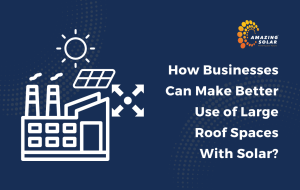





For many businesses, the roof is more than just part of the building. It could also provide valuable space for generating electricity. Rooftop commercial solar can help businesses produce energy on-site, but choosing the right system requires careful planning.
Before signing a solar contract, business owners should understand their electricity usage, roof condition, future energy needs and the quality of the proposed system.
Quick Answer
Before installing rooftop commercial solar, businesses should assess their electricity consumption, roof suitability, available space, shading, system size, future energy demand and battery requirements. Comparing installers, warranties and system designs is also important before making a long-term investment.
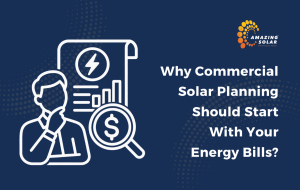
1. Understand Your Business's Energy Usage
The first step is understanding how much electricity your business actually uses. Review:
- Electricity bills
- Operating hours
- Daytime consumption
- Peak demand
- Seasonal changes
- Major electrical equipment
Businesses that consume significant electricity during daylight hours may be particularly suited to rooftop solar.
2. Check Whether Your Roof Is Suitable
A large roof does not automatically mean it is ready for solar.
An assessment should consider:
- Roof condition
- Available space
- Shading
- Roof orientation
- Structural suitability
- Existing rooftop equipment
Addressing roof issues before installation can help avoid complications later.
3. Choose the Right System Size
Installing the largest possible system isn’t always the best approach.
The system should be based on your:
- Current electricity demand
- Daytime energy use
- Available roof space
- Future business requirements
An undersized system may leave your business purchasing significant electricity from the grid, while an unsuitable oversized system may not provide the expected value.
4. Think About Future Business Growth
Your energy requirements may change as the business grows.
Consider whether you may add:
- New machinery
- Electric vehicles
- Refrigeration
- Additional offices
- Longer operating hours
- New production equipment
Planning for future demand can influence the design of your solar system.
5. Decide Whether Battery Storage Is Necessary
A commercial battery isn’t automatically required.
For some businesses, daytime solar generation may align well with operating hours. Others may need additional storage because their electricity demand continues after solar production decreases.
The decision should be based on actual energy usage and business goals.
6. Compare More Than the Installation Price
When comparing commercial solar quotes, look at the complete proposal. Check:
- Solar panel brands
- Inverter specifications
- System capacity
- Warranties
- Monitoring
- Installation standards
- After-sales support
The cheapest quote may not always offer the best long-term value.
Common Questions Businesses Ask
Is rooftop solar suitable for every commercial building?
No. Roof condition, electricity usage, shading, available space and other factors need to be assessed.
Does a business need a battery?
Not necessarily. Battery suitability depends on operating hours, energy consumption and future requirements.
Can solar be installed on an older commercial roof?
Potentially, but the roof should be professionally assessed before installation.
Should I size solar for future electricity demand?
If you expect your business to grow or add energy-intensive equipment, future requirements should be considered during system design.
What Business Owners Should Check Before Signing?
Before approving a solar proposal, ask:
- Has my electricity usage been properly assessed?
- Has the roof been inspected?
- Is the proposed system correctly sized?
- What products and warranties are included?
- Can the system support future energy requirements?
- Is battery storage worth considering?
- What support is available after installation?
Key Takeaways
- Assess electricity usage before choosing system size.
- Make sure the roof is suitable for solar.
- Consider future business growth.
- Don’t choose a system based only on price.
- Understand warranties and after-sales support.
- Consider battery storage based on your actual energy needs.
- Compare complete proposals before making a decision.
Conclusion
Rooftop commercial solar can be a valuable option for businesses looking to generate more of their own electricity. But the right system starts with proper planning. Understanding your energy demand, roof suitability and future requirements can help you make a more informed investment.
Considering rooftop solar for your business? Talk to our experts on 1300 025 955 and discover a commercial solar solution designed around your energy usage, property and future business needs.